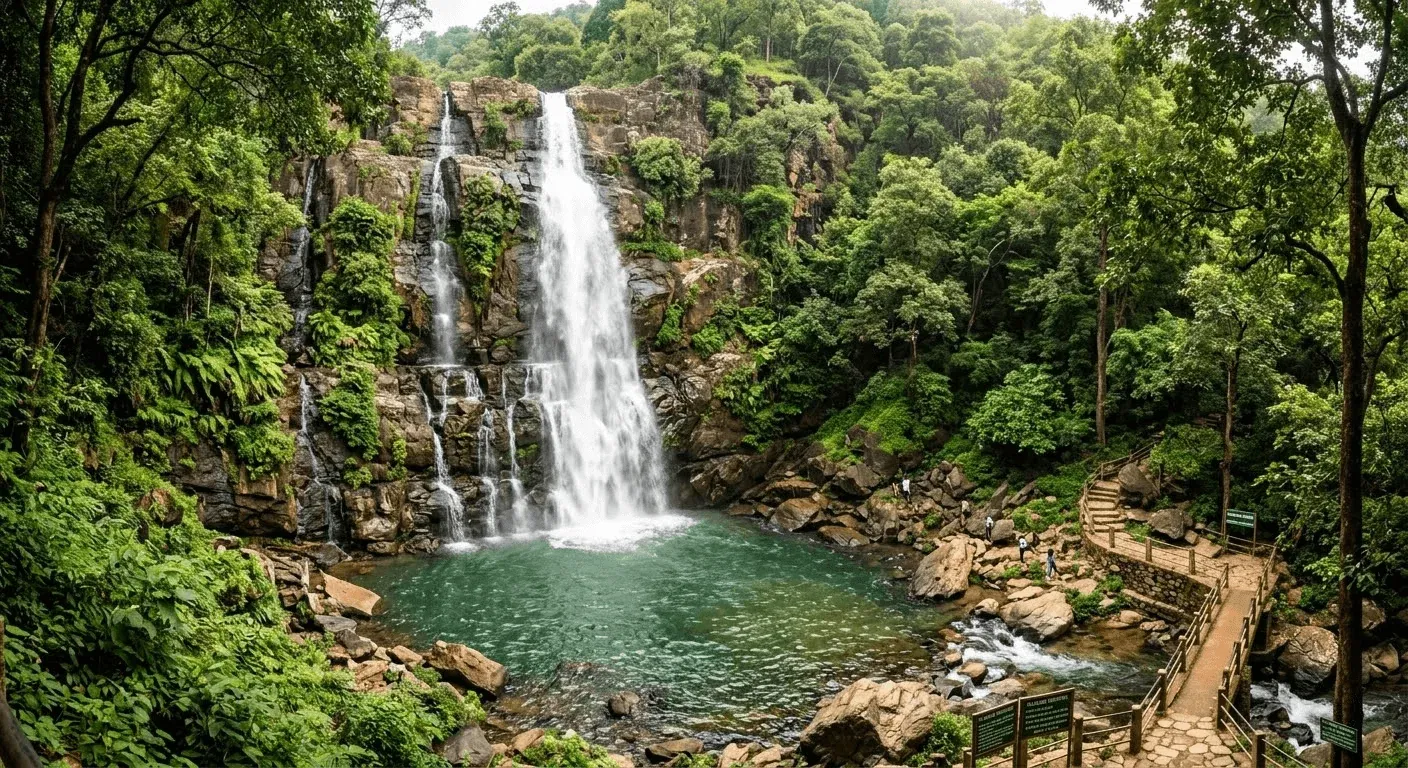
Pulicat Lake, spanning 759 square kilometers across Andhra Pradesh and Tamil Nadu, stands as India's second-largest brackish water lagoon and a paradise for birdwatchers and nature enthusiasts. This remarkable wetland ecosystem, located on the Coromandel Coast near the Bay of Bengal, serves as a crucial habitat for thousands of migratory birds including flamingos, painted storks, and grey pelicans. The lake's unique brackish water environment, where freshwater meets seawater, creates exceptional biodiversity that attracts wildlife photographers, ornithologists, and eco-tourists from around the world.
Pulicat Lake
India's Second Largest Brackish Lagoon
A Glimpse into the History of Pulicat Lake
Ancient Origins and Maritime Trade
Pulicat Lake has been a significant maritime hub since ancient times, with historical records dating back to the 14th century when it served as an important port for the Vijayanagara Empire. The lake's strategic location made it a center for international trade, particularly with Portuguese and Dutch merchants who established settlements along its shores. The ancient town of Pulicat, located on the lake's banks, was once a thriving commercial center that connected inland trade routes with maritime commerce across the Bay of Bengal.
Colonial Era and Dutch Influence
During the 17th century, Pulicat Lake came under Dutch control, becoming the headquarters of the Dutch Coromandel coast from 1606 to 1690. The Dutch established a fort and trading post that significantly influenced the region's economic development. This period saw extensive development of the lake's infrastructure, including the construction of warehouses, shipyards, and improved fishing facilities. The colonial legacy is still visible in the architecture and cultural practices of the surrounding communities.
Modern Conservation and Tourism Development
In recent decades, Pulicat Lake has gained recognition as an important ecological site, leading to its designation as a bird sanctuary and protected wetland. The Andhra Pradesh and Tamil Nadu governments have collaborated to promote sustainable tourism while preserving the lake's delicate ecosystem. The annual Flamingo Festival, initiated to showcase the lake's spectacular bird migrations, has become a major tourist attraction that raises awareness about wetland conservation and supports local communities.
Cultural Significance
Pulicat Lake holds profound cultural significance as a living testament to the harmonious relationship between humans and nature in South India. The lake supports traditional fishing communities who have practiced sustainable fishing methods for generations, maintaining a delicate ecological balance. The annual migration of thousands of flamingos and other birds has become a cultural phenomenon, attracting tourists and researchers while inspiring local art and folklore. The lake's waters have witnessed centuries of maritime history, from ancient trade routes to colonial settlements, making it an important cultural landmark that connects modern visitors with India's rich maritime heritage and traditional conservation practices.
Major Attractions at Pulicat Lake
Bird Sanctuary and Flamingo Watching
The Pulicat Lake Bird Sanctuary is the primary attraction, home to over 15,000 migratory birds during winter months. Greater and lesser flamingos create spectacular pink formations against the blue waters, while painted storks, grey pelicans, and various waders provide excellent birdwatching opportunities. The sanctuary offers designated viewing platforms and guided boat tours that allow visitors to observe these magnificent birds in their natural habitat without disturbing them.
Boating and Water Activities
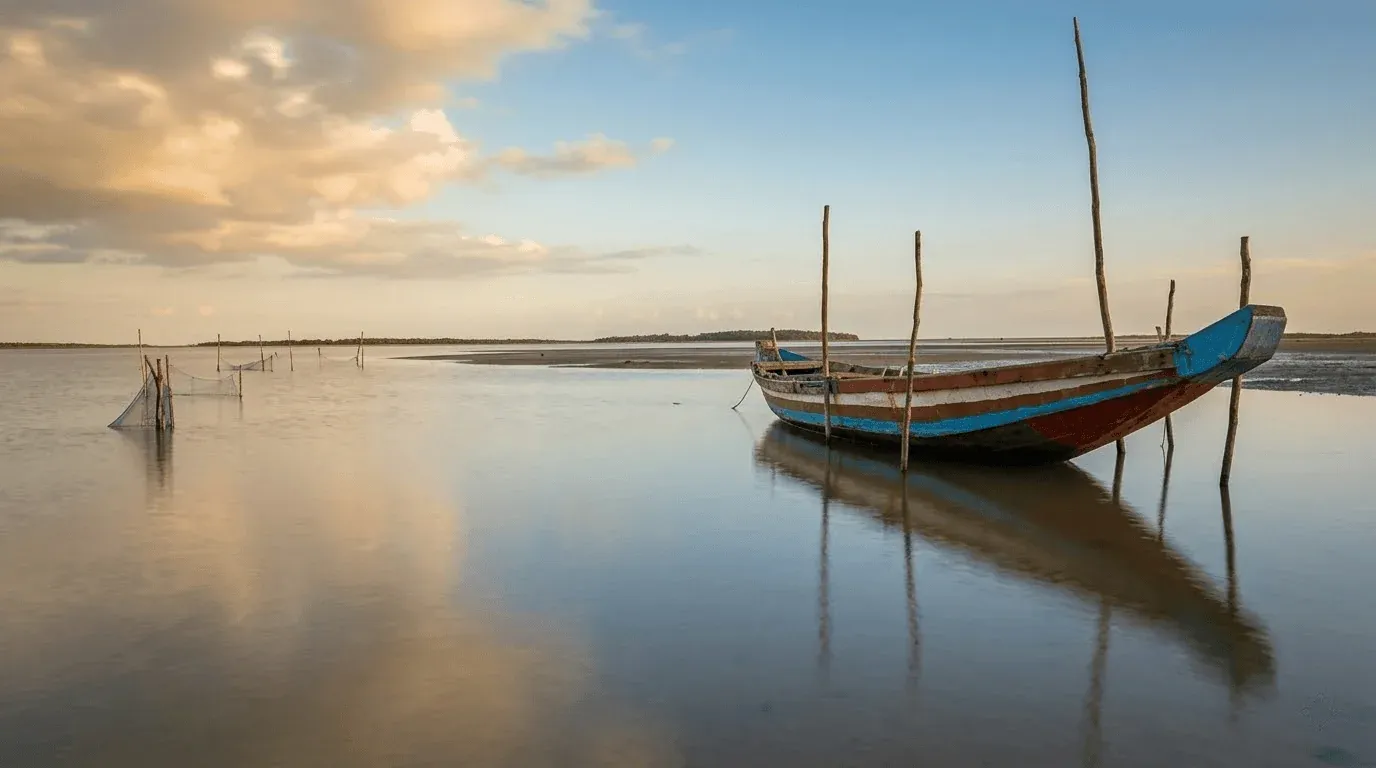
The lake offers excellent boating opportunities with traditional country boats and motorized vessels available for hire. Visitors can explore the lake's vast expanse, visit small islands, and experience the tranquil beauty of the wetlands. The calm waters and scenic surroundings make it ideal for photography, especially during sunrise and sunset when the lake reflects stunning colors that enhance the natural beauty of the landscape.
Sriharikota Island and Rocket Launch Centre
The long, narrow Sriharikota Island separates Pulicat Lake from the Bay of Bengal and houses India's Satish Dhawan Space Centre. While the launch facility itself is restricted, visitors can view the island from the lake and learn about India's space program. The combination of natural wetland beauty and modern space technology creates a unique juxtaposition that highlights India's diverse achievements in both conservation and technology.
Special Highlight: Did You Know?
Pulicat Lake is not only India's second-largest brackish water lagoon but also one of only three wetlands in India that attracts northeast monsoon rainclouds during October-December, playing a crucial role in regional climate regulation. The lake's unique ecosystem supports over 60 species of water birds and serves as the winter home for more than 15,000 flamingos, making it one of the most important flamingo habitats in South Asia. The lake's waters contain a perfect mix of freshwater and seawater that creates ideal conditions for both fish and bird species, supporting a complex food web that has sustained local communities for centuries.
Travel Guide to Pulicat Lake
How to Reach Pulicat Lake
By Air: Chennai International Airport (MAA) is located 88 km from the lake, with connecting flights to major Indian cities. Taxis and private vehicles are available from the airport to reach the lake.
By Train: Sullurpet Railway Station is the nearest railhead, situated 9 km from the lake. Regular auto-rickshaws and taxis are available from the station to reach the sanctuary.
By Road: The lake is accessible via NH 16 from Chennai and Nellore, with APSRTC buses connecting major cities. The scenic drive offers beautiful views of the coastal landscape.
Best Time to Visit
The ideal time to visit is from October to March when migratory birds arrive and temperatures range from 20°C to 30°C. The Flamingo Festival, usually held in January, offers the best opportunity to see thousands of flamingos in their natural habitat. Early morning and late afternoon provide the best lighting for photography and birdwatching.
Local Attractions
Sriharikota Island: Space Centre viewing point.
Nellore: Located 60 km away, historic city.
Sullurpet: Gateway town to the lake.
Tips for Visitors and Travelers
Wear light cotton clothing and carry sun protection.
Bring binoculars and telephoto lenses for bird photography.
Carry drinking water and snacks as facilities are limited.
Maintain distance from birds and follow sanctuary rules.
Lake Location
Image Gallery